
The short answer
Most Sunnyvale furnace problems come from parts that wear or get dirty during long idle stretches, such as igniters, flame sensors, filters, and blower components, and they can usually be repaired. Air District rules do not force you to replace a working furnace. They matter only when you replace one, and that is when a heat pump becomes worth comparing.
Sunnyvale winters are mild, but the nights are still cold and damp enough that a furnace that won't start gets noticed fast. FrostPoint AC Repair sends technicians from our San Jose base, about 12 miles southeast, to fix gas furnaces in homes across Sunnyvale. We find out why the heat stopped, explain what we found in plain terms, and give you a clear choice between repairing it now and planning ahead. Because Bay Area air rules for furnaces are changing, we also make sure you understand how those rules affect your decision, and when they don't.
Why Furnaces in Sunnyvale Homes Act Up
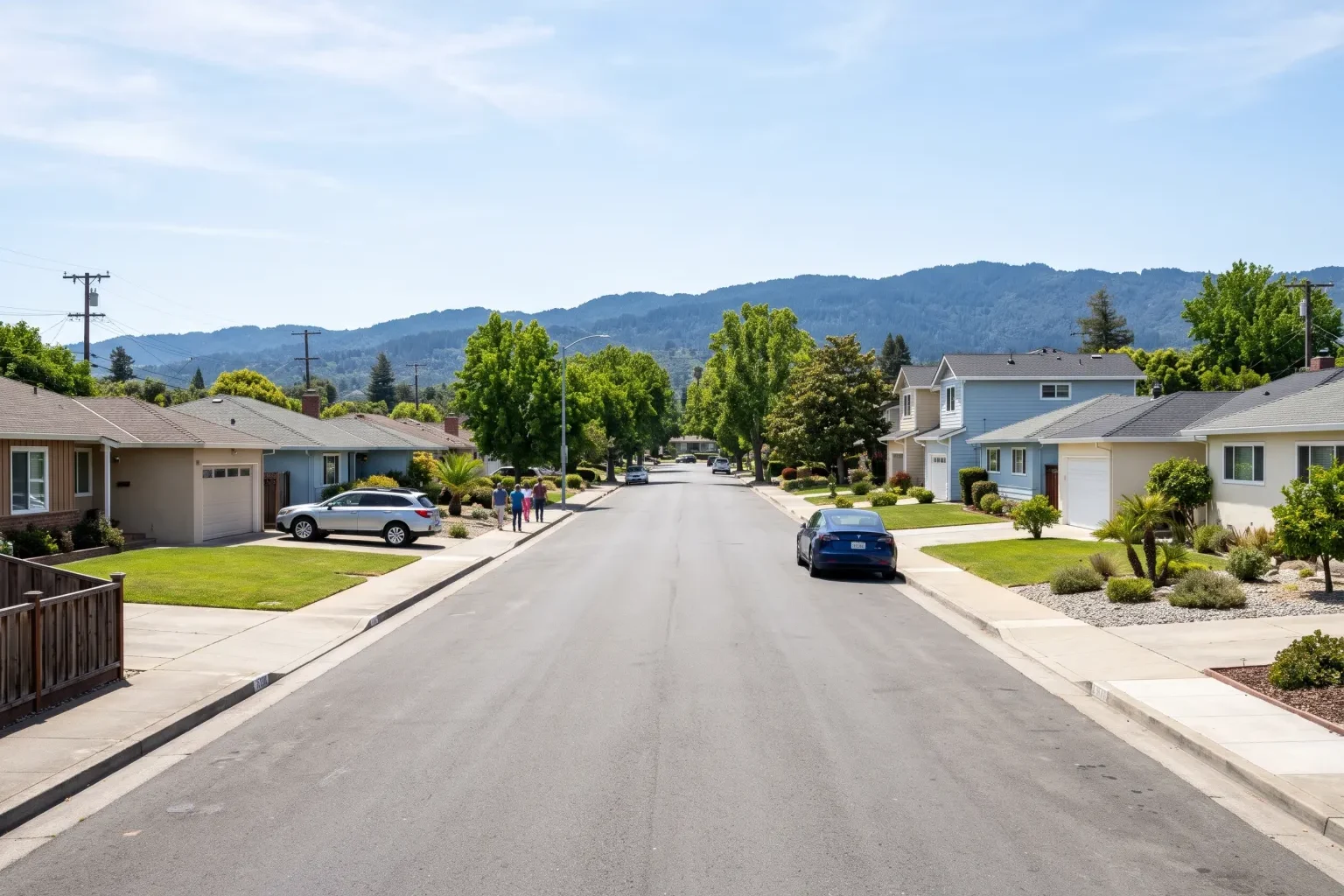
The Santa Clara Valley has dry summers and mild, damp winters, and Sunnyvale sits close to the Bay, where summers run cooler than in the southern part of the valley. For a furnace, that means months of sitting unused, followed by sudden demand on the first chilly evenings of fall. Dust settles on burners and sensors, filters get forgotten, and small problems stay hidden until the system has to run.
These are the issues we see most often when a Sunnyvale homeowner calls about their heat:
- Furnace clicks or tries to start but never lights, often a worn hot surface igniter
- Burners light and then shut off after a few seconds, frequently a dirty flame sensor
- Blower runs but the air coming out is cool
- Weak airflow from the vents because of a clogged filter or a failing blower motor or capacitor
- Short cycling, where the furnace turns on and off far more often than it should
- Rattling, squealing, or booming noises at startup
- A thermostat that calls for heat while the furnace doesn't respond
What Happens During a Repair Visit
We start by asking what you've noticed: when the problem began, what sounds you heard, and whether the furnace shows an error code. Then the technician checks the thermostat signal, power, gas supply, ignition sequence, flame quality, safety switches, airflow, and venting. Venting matters because a furnace that isn't exhausting properly is a safety problem, not just a comfort problem.
Before any work begins, you'll get an explanation of the failed part, why it failed, and the condition of the rest of the system. If the furnace is in good shape apart from one worn component, we'll tell you that. If we see cracked heat exchanger signs, corrosion, or repeated failures, we'll tell you that too, so you can decide with the full picture.
Repair or Replace? How the Air District Rules Fit In
Under Bay Area Air District Rule 9-4, natural gas furnaces manufactured from 2029 onward must meet a zero-NOx emission standard. In practice, that points homeowners toward heat pumps when they replace a furnace after that date.
The rule does not require you to replace equipment that works. It applies only when an existing furnace fails or is replaced. If your furnace can be repaired safely and sensibly, repairing it is a legitimate choice. Where the rules come into play is planning. If your furnace is aging and needs expensive repairs, it can make sense to start comparing options before an emergency forces a rushed decision.
If You're Considering a Heat Pump Instead
Sunnyvale's mild winters suit heat pumps well, and a heat pump also provides cooling. If you're thinking about switching, a couple of things are worth knowing. The federal Energy Efficient Home Improvement Credit (25C) covered qualifying heat pumps placed in service before December 31, 2025, and it is not available for new installations after that date.
Local incentives may still help. Bay Area homeowners can check BayREN and their local clean energy provider for current heat pump and electrification programs. Amounts and availability change with each funding cycle, so we confirm the current offer before including it in any quote.
Quick Checks Before You Call
A few simple checks can save you a visit. If any of them solves the problem, great. If not, you'll have useful details to share with our technician. If you smell gas or a carbon monoxide alarm goes off, leave the house right away and call your gas utility or 911 from outside before doing anything else.
- Confirm the thermostat is set to Heat, set above room temperature, and has working batteries
- Check the furnace filter and replace it if it's clogged
- Make sure the furnace power switch is on and the breaker hasn't tripped
- Confirm the furnace access panel is fully closed, since many units won't run with it loose
- Note any blinking light codes on the control board
Serving Sunnyvale and Nearby Cities
We repair furnaces throughout Sunnyvale, including ZIP codes 94085, 94086, 94087, and 94089 in Santa Clara County. Our technicians also work in nearby Mountain View, Santa Clara, Los Altos, Cupertino, and Saratoga, so the same team can help if you own property in more than one of these cities.
More services in Sunnyvale
- AC Repair in SunnyvaleLocal service & repairs
- Heating Repair in SunnyvaleLocal service & repairs
- Heat Pump Installation in SunnyvaleLocal service & repairs
- AC Installation in SunnyvaleLocal service & repairs